Need help? Talk to an expert
0431-294-469


Need help? Talk to an expert
0431-294-469
Living near the coast offers many lifestyle benefits, but the environmental conditions can take a serious toll on vehicles over time. Constant sun exposure, rising temperatures, salt air, and humidity all contribute to gradual windscreen deterioration that many drivers fail to notice until damage becomes severe. On the Gold Coast, where strong sunlight and coastal heat are part of everyday life, vehicle glass faces ongoing stress throughout the year. Understanding how UV exposure and heat affect your windscreen can help drivers prevent costly repairs, maintain visibility, and improve overall driving safety.

Intense coastal sunlight places continuous pressure on automotive glass, particularly during long periods of direct exposure. Windscreens are designed to handle varying weather conditions, but the combination of ultraviolet radiation and extreme surface temperatures gradually weakens both the glass and the surrounding seals. On the Gold Coast, vehicles parked outdoors for extended periods often experience faster wear than those kept in shaded or enclosed areas.
UV rays may not immediately crack a windscreen, but they contribute to slow material fatigue over time. As sunlight repeatedly heats the glass, expansion occurs during the day, followed by contraction as temperatures cool at night. This constant cycle creates stress within the glass structure, especially around existing chips or microscopic imperfections. Small weaknesses that seem harmless can eventually spread into larger cracks due to repeated thermal pressure.
Coastal heat also affects the adhesive materials that secure the windscreen to the vehicle frame. Modern windscreens rely on specialised bonding systems to maintain structural integrity and support safety features. Continuous exposure to high temperatures can gradually weaken these adhesives, particularly if the original installation was poorly completed or if the vehicle is frequently exposed to harsh environmental conditions.
Salt carried through coastal air further accelerates wear around vehicle edges and trims. While salt itself may not directly crack the windscreen, it contributes to corrosion around metal components near the glass. Over time, corrosion can affect the stability of surrounding seals and create pathways for moisture intrusion. This is especially problematic in humid coastal environments where moisture retention remains high throughout the year.
Many drivers also underestimate how interior heat impacts vehicle glass. During summer, cabin temperatures inside parked vehicles can rise dramatically within a short period. Windscreens absorb much of this heat, causing uneven temperature distribution across the surface. Sudden temperature changes, such as turning on very cold air conditioning against hot glass, place additional stress on already heated windscreens. Vehicles regularly exposed to coastal conditions often develop signs of wear gradually rather than suddenly.
Common early indicators include:
● Small chips spreading faster than expected
● Increased glare while driving
● Fine edge cracks near the windscreen border
● Seal deterioration around the glass
● Distortion or haziness during direct sunlight
Recognising these warning signs early allows drivers to arrange professional windscreen repair before larger structural issues develop.
Heat-related stress is one of the leading causes of worsening windscreen damage in coastal areas. A small chip caused by road debris may appear stable initially, but exposure to strong heat can quickly transform minor damage into a major crack. This happens because temperature changes place pressure on weakened areas of the glass, encouraging fractures to spread outward.
On the Gold Coast, high daytime temperatures combined with intense UV exposure create ideal conditions for crack expansion. Vehicles parked under direct sunlight absorb heat continuously through the windscreen surface. As the glass expands, pressure builds around damaged sections. Later, when temperatures cool rapidly or air conditioning is introduced, the contraction process creates further strain. This repeated expansion and contraction cycle weakens the structural stability of the windscreen over time. Cracks that once seemed cosmetic can suddenly spread across the driver’s field of vision, reducing visibility and increasing accident risks. Even small chips located near the edge of the glass can compromise the overall strength of the windscreen if ignored for too long.
Visibility problems caused by UV exposure are not limited to cracks alone. Prolonged sunlight exposure can gradually affect glass clarity, especially when combined with dust, salt residue, and microscopic surface wear. Drivers may notice increased glare during sunrise or sunset, making it harder to see road conditions clearly.
Scratches and tiny imperfections become more noticeable under intense sunlight, particularly on older windscreens. While these marks may appear minor during cloudy conditions, bright coastal light magnifies visual distortion significantly. This can contribute to eye strain, delayed reaction times, and reduced driving comfort during long trips.
Heat can also affect laminated layers within the windscreen itself. Modern windscreens are made from multiple bonded layers designed to improve safety during accidents. Continuous exposure to excessive heat may weaken these layers gradually, increasing the likelihood of separation or distortion over time.
Professional windscreen inspections become especially important for coastal drivers because damage often develops gradually and remains unnoticed until it becomes severe. Early intervention through windscreen repair or replacement helps prevent further deterioration while maintaining safe driving conditions.
Drivers can reduce heat-related stress on vehicle glass through several preventative measures:
These simple habits can significantly reduce long-term stress on automotive glass and improve overall durability.
A weakened windscreen presents far greater risks than many drivers realise. Beyond visibility concerns, the windscreen plays an important structural role in overall vehicle safety. During accidents or rollovers, properly installed and undamaged windscreens help support roof stability and assist with correct airbag deployment. When the glass has been weakened by heat, UV exposure, or spreading cracks, its ability to perform these functions may be compromised.
Many coastal drivers delay repairs because damage initially appears minor. However, heat exposure accelerates the deterioration process significantly faster than in cooler climates. A small chip left untreated during summer can become a full-length crack within weeks due to thermal stress alone.
Moisture intrusion is another long-term concern. Once seals begin deteriorating around the windscreen edges, water may gradually seep into surrounding areas. This can lead to hidden corrosion, mould growth, electrical issues, and interior water damage. Coastal humidity makes these problems even more likely because moisture remains trapped for longer periods.
Professional windscreen replacement services ensure damaged glass is removed safely and replaced using high-quality adhesives suited to Australian conditions. Proper installation is essential because coastal heat places additional stress on bonding materials. Experienced technicians understand how environmental conditions affect curing times and long-term durability.
Preventative maintenance also helps drivers avoid unexpected expenses. Early chip repairs are typically far less costly than full windscreen replacements. Addressing minor damage quickly reduces the chance of crack expansion and helps preserve the structural integrity of the original glass.
Regular cleaning is another important part of preventative care. Salt residue, sand particles, and environmental contaminants can gradually wear down the windscreen surface if left untreated. Coastal drivers should clean vehicle glass regularly using suitable automotive glass products that do not damage protective coatings.
Modern vehicles often rely heavily on windscreen-mounted safety technology, including:
● Rain sensors
● Lane departure cameras
● Automatic braking sensors
● Heads-up display systems
● Driver assistance technology
Damage to the windscreen can interfere with these systems and reduce their effectiveness. Proper windscreen maintenance helps ensure these safety features continue functioning accurately.
Coastal conditions are unavoidable for Gold Coast drivers, but proactive maintenance greatly reduces long-term risks. Routine inspections, prompt repairs, and professional replacements all contribute to safer driving and longer-lasting vehicle glass performance.
Coastal heat and UV exposure place continuous stress on vehicle glass, gradually weakening windscreens through expansion, contraction, glare damage, and adhesive deterioration. On the Gold Coast, these environmental conditions can quickly turn minor chips into serious cracks that compromise visibility and vehicle safety. Combined with humidity, salt air, and prolonged sunlight exposure, coastal driving creates unique challenges that require proactive windscreen care.
Understanding how environmental factors affect automotive glass helps drivers make smarter maintenance decisions before damage becomes severe. Prompt windscreen repairs, proper parking habits, regular cleaning, and professional inspections all play an important role in extending windscreen lifespan and maintaining safe driving conditions. Taking action early not only protects your vehicle but also helps prevent more expensive repairs in the future.
Gold Coast Windscreens provides professional windscreen repair and replacement services for drivers across the Gold Coast and surrounding coastal regions. The company specialises in windscreen chip repairs, full windscreen replacement, mobile auto glass services, and emergency glass solutions for a wide range of vehicles. With experience handling the unique environmental challenges of coastal Queensland conditions, their technicians use high-quality materials and professional installation methods designed for long-lasting durability and safety. Customers benefit from reliable service, convenient mobile support, fast response times, and expert workmanship tailored to local driving conditions.
Let's connect! We’re here to help.
Send us a message and we’ll be in touch.
Or give us a call today at 0721 393 842

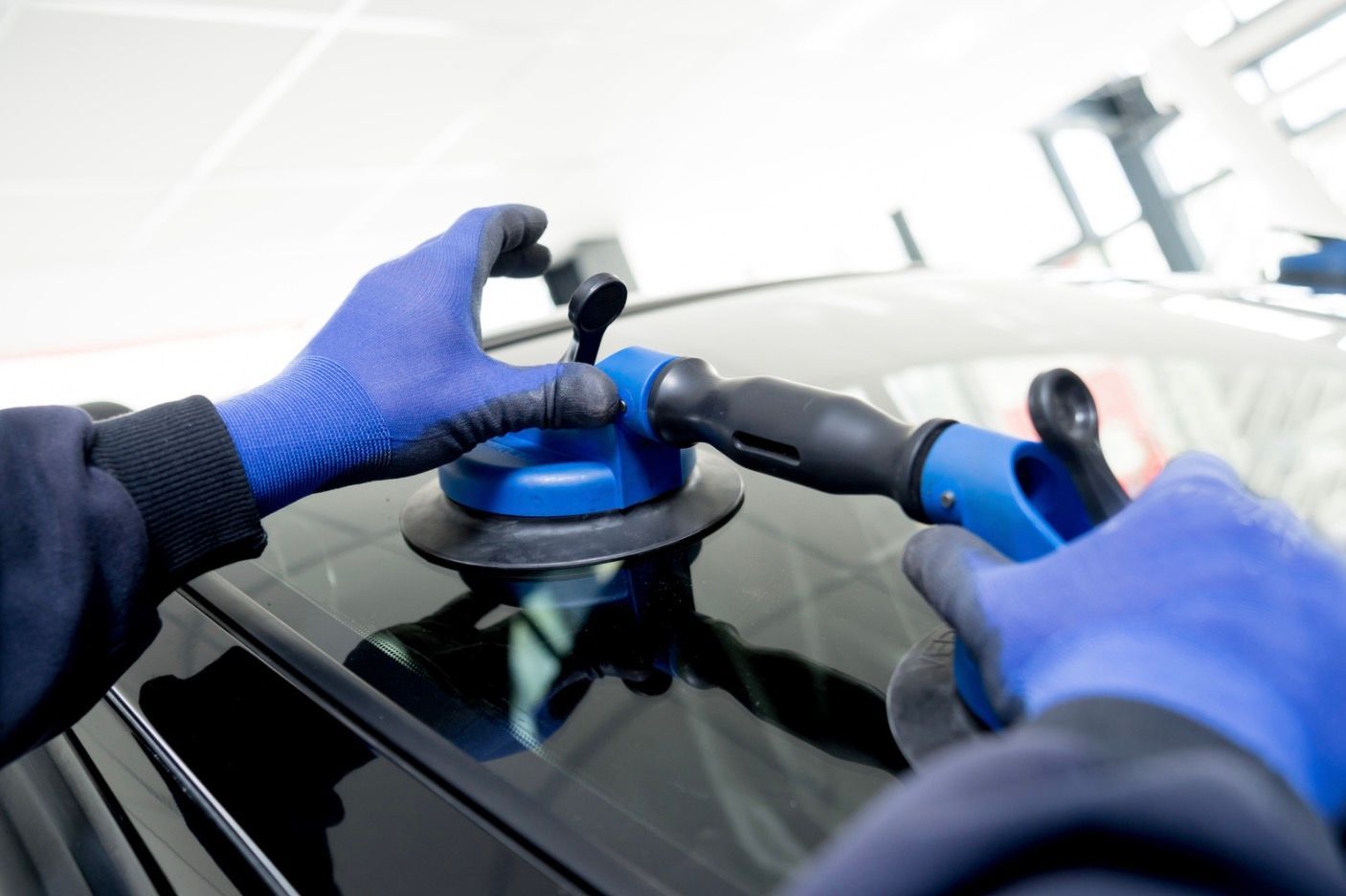


We offer a full range of auto glass repair and replacement services across Gold Coast.
Business Location:
We cover all areas of Gold Coast
Phone:
0721 393 842
Email:
goldcoastwindscreens2025@gmail.com